
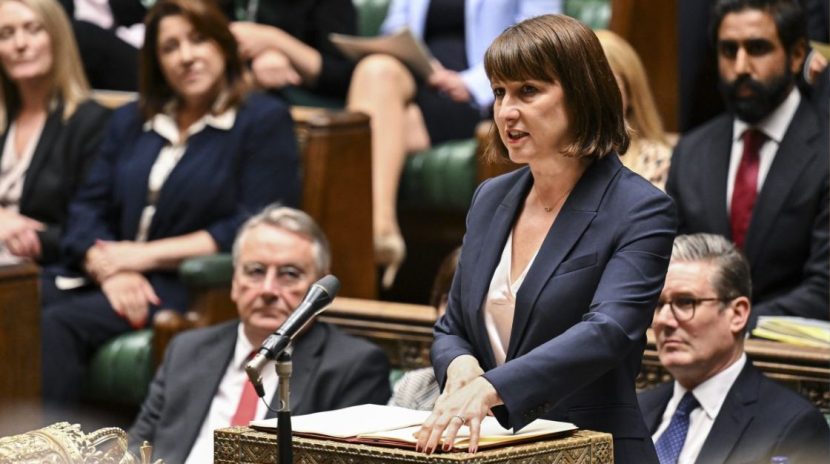
Today saw the delivery of one of the most hotly anticipated Budgets in living memory. The positioning ahead of this Budget was all about tough political choices with an inherited black hole of £22 billion and public services in need of vital support. In the final analysis tax rises totalling £40 billion were announced, but there were few surprises.
What does the Autumn Budget 2024 mean for you? Our team of experts break down some of the key takeaways.
Personal taxes
- The rates of income tax and National Insurance (NI) paid by employees remain unchanged. VAT is also being held at its current rate.
- Income tax band thresholds will in line with inflation after 2028, preventing more people being dragged into higher bands as wages rise.
- Basic rate capital gains tax on profits from selling shares will increase from from 10% to 18%. The higher rate will rise from 20% to 24%.
- Rates on profits from selling additional property are unchanged.
- The inheritance tax threshold freeze has been extended by further two years to 2030. Unspent pension pots will also be subject to the tax from 2027.
Business taxes
- Companies to pay NI at 15% on salaries above £5,000 from April, up from 13.8% on salaries above £9,100, raising an additional £25bn a year.
- The employment allowance – which allows smaller companies to reduce their NI liability – will increase from £5,000 to £10,500.
- Tax paid by private equity managers on their share of profits from successful deals to rise from up to 28% to up to 32% from April.
- The main rate of corporation tax, paid by businesses on taxable profits over £250,000, will remain at 25% until the next election.
Housing and land
- Social housing providers are now allowed to increase rents above inflation under multi-year settlement.
- Social housing tenants buying their property under the Right to Buy scheme will see the discount available reduced.
- The stamp duty surcharge, paid on second home purchases in England and Northern Ireland, to go up from 3% to 5%.
- The point at which house buyers start paying stamp duty on a main home will drop from £250,000 to £125,000 in April, reversing a previous tax cut.
- The threshold at which first-time buyers pay the tax will also drop back, from £425,000 to £300,000.
- The current affordable homes budget, which runs until 2026, receives a boost of £500m.
Wages, benefits and pensions
- The legal minimum wage for over-21s to rise from £11.44 to £12.21 per hour from April.
- The rate for 18 to 20-year-olds to go up from £8.60 to £10, as part of a long-term plan to move towards a “single adult rate.”
- Basic and new state pension payments to go up by 4.1% next year due to the “triple lock” – more than working age benefits.
- Eligibility for the allowance paid to full-time carers has widened as the maximum earnings threshold will increase from £151 to £195 a week.
Do you require further information on how the budget will affect your finances? Contact our experienced team at Bond Adams LLP Solicitors. You can contact us on 0116 285 8080 or email us at lawyers@bondadams.com.
Image credit: UK Parliament under CC BY-NC-ND 2.0
Contact us
Bond Adams Solicitors
Richmond House
94 London Road
LEICESTER
LE2 0QS
0116 285 8080
lawyers@bondadams.com
Follow Bond Adams on Facebook to stay up to date with all the latest news, guides and tips.
Comments are closed.